


The Aesthetics of Misalignment
The imperfect as perfect. Error as truth. The crooked line as the future.
In nature there are no grids. No straight lines in the mountains, no flawless angles in a river, no controlled symmetry in the moss spreading freely across the stones. Perfection is not found in what is straight, but in what is organic. Not in what is planned, but in what happens.
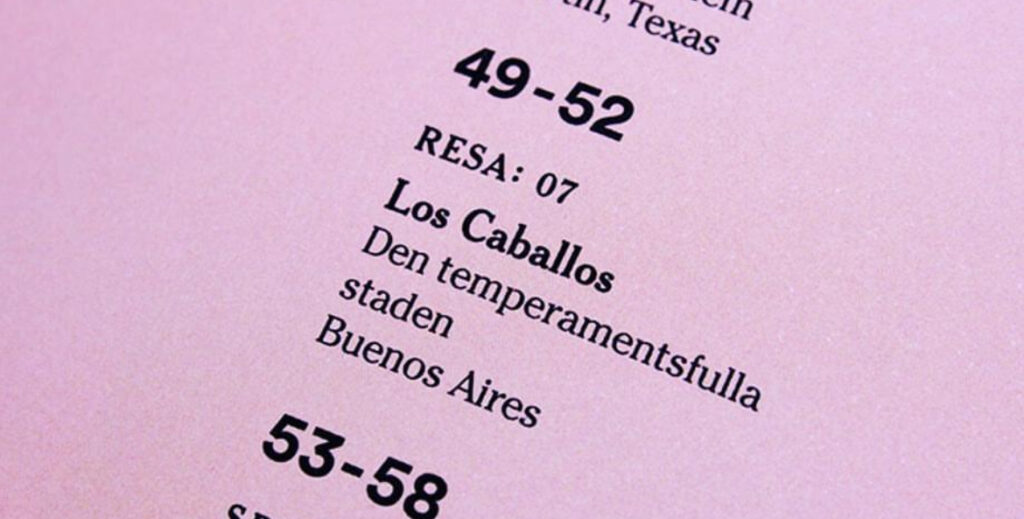
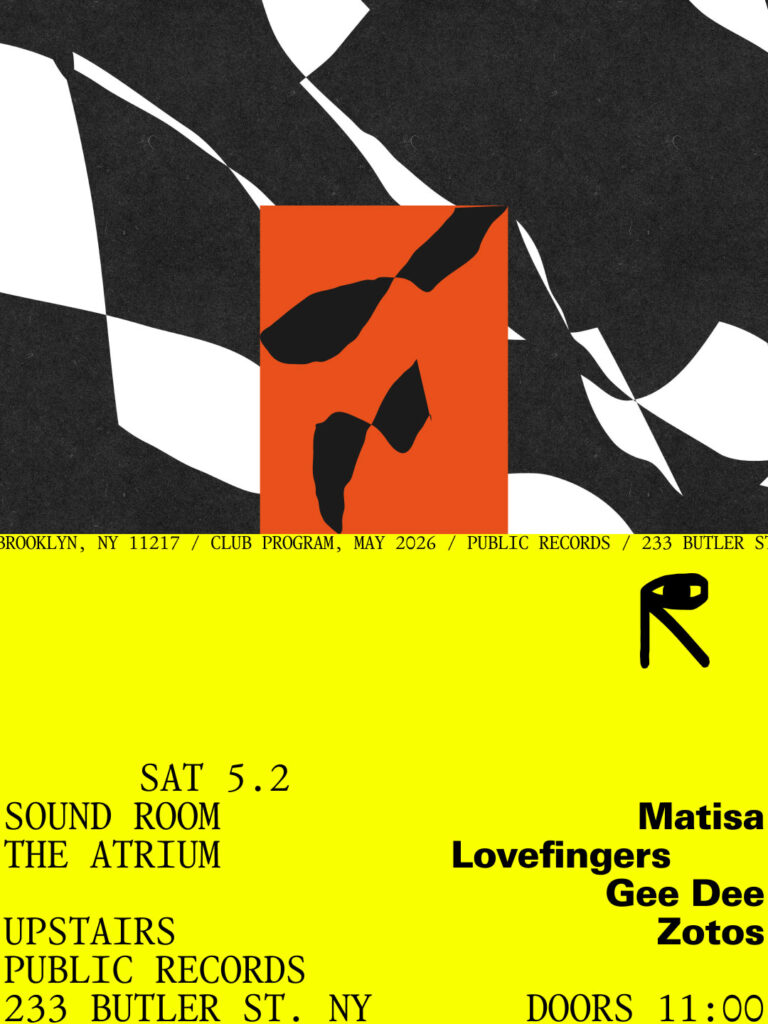
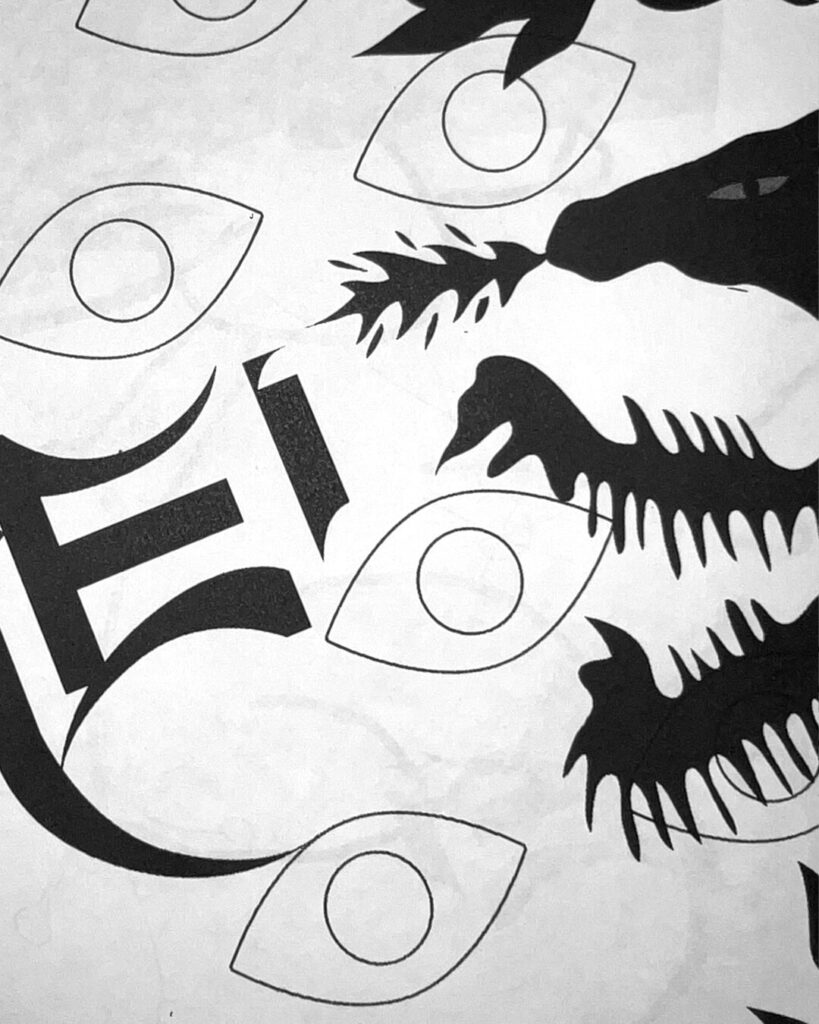
In design we begin with the grid because it provides structure. But then we hide it. We let the eye and intuition have the final word. We are drawn to the moment when order shifts off-axis and something human appears: the imperfect stroke, the subtle imbalance, the expressive asymmetry. What the grid hardens, we break. We arrange from the body, not the mind. In that gesture we find a space no artificial intelligence can reproduce: intentional imperfection, charged with expression.

It is not that elegance troubles us, but total perfection has become indistinguishable. The risk is that it disappears into an endless ocean of correct images, forgotten in an instant. And worse: not only forgotten by those who see them, but also by those who make them. When we design only to comply with perfection, we lose touch with the depth of the gesture, with the reason why. Designing for perfection is designing for emptiness.
This is why we believe the aesthetics of misalignment represent the future. Perfection is already easy to produce: it is the default output of the machine. A single prompt can deliver the polished object. What is difficult, what makes us unique, iis everything else: shifting the axis, accepting the crack, twisting symmetry, breaking with the academic, allowing surprise to slip in. Magic is not in what is correct, but in what is unpredictable.
Seeing things this way is also liberating. Escaping perfect filters frees us, because reality was never perfect. Showing the seam draws more attention than hiding it. A face with marks moves us more than a retouched surface. Perfection, by contrast, no longer moves at all: it is pure mercantilism.
Seeing things this way is also liberating. Escaping perfect filters frees us, because reality was never perfect.
The grid remains useful as a base, as a form of visual literacy. But there comes a time to set it aside. To design from error, from the visible seam, is to accept that perfection does not exist and never did.

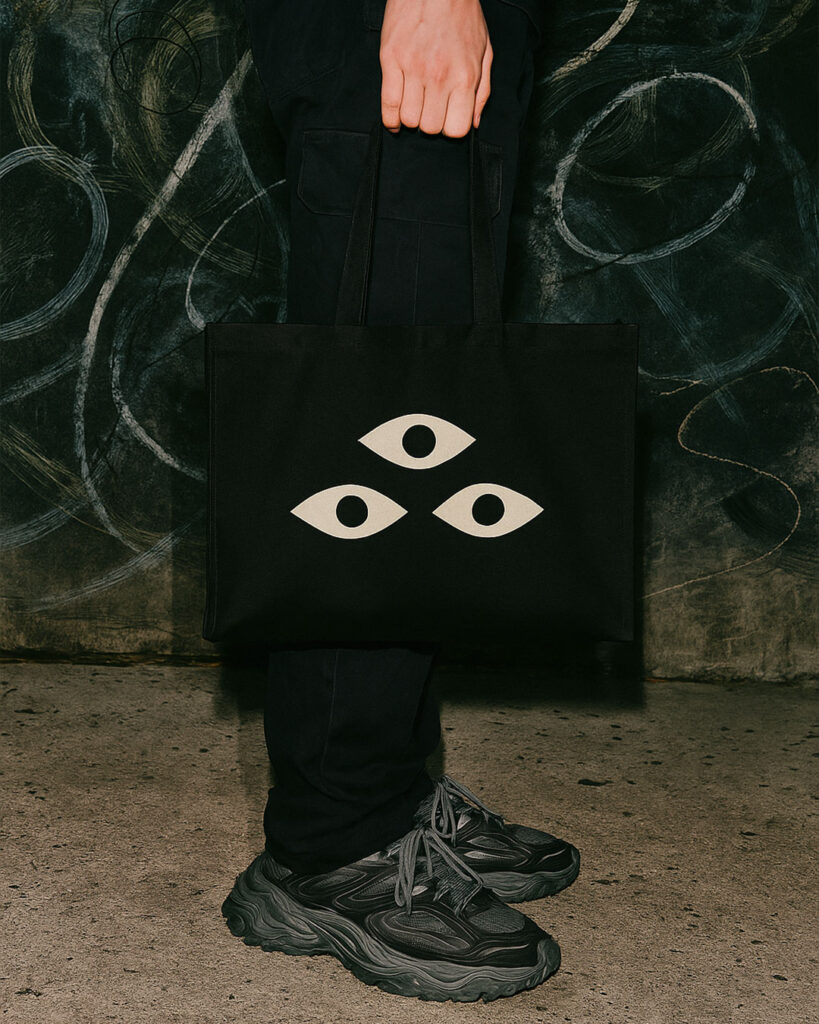
The task now is to stop chasing the aspirational and embrace the imperfect as truth. The broken vibrates more than the polished. The crooked holds more future than the correct.
